
Designing new nanomaterials through chemical modulation
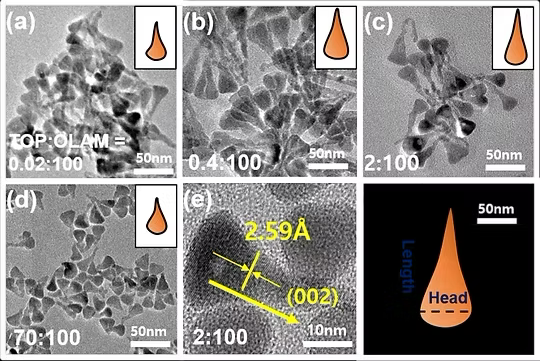
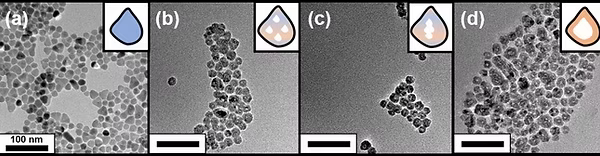
We use post-synthetic chemical reactions to transform pre-formed nanocrystals into new materials while preserving or deliberately modifying their nanoscale morphology.
Solid–solid phase transformation
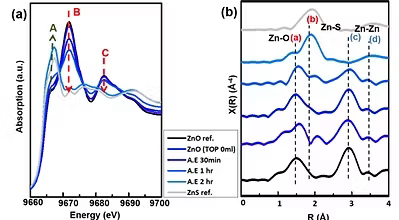
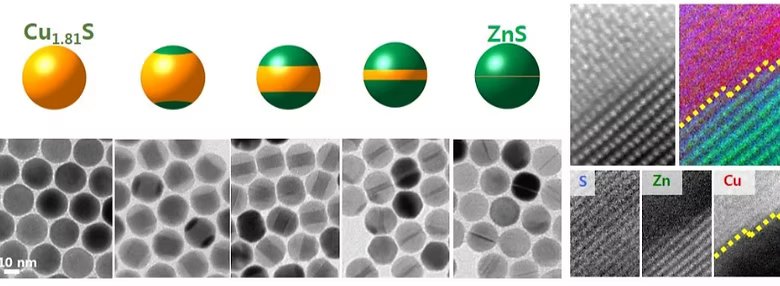
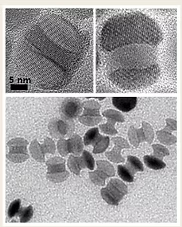
Cation exchange, oxidation, and strain-driven conversion are used to produce new phases and heterostructures from existing nanocrystal templates.
Composition and morphology control
Secondary transformation provides an effective route to tune elemental composition, crystal phase, interfaces, and particle shape beyond direct synthesis.
Representative systems
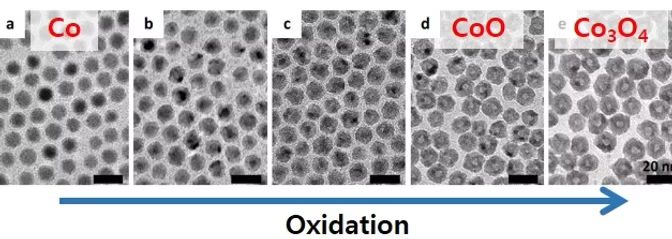
Current examples include cation-exchange reactions in copper sulfide nanocrystals and oxidation-induced conversion of Co nanoparticles into CoO and Co₃O₄.